Hi, I'm Andrew.
I've watched people do the impossible. Up close.
Rock stars. Billionaires. Fortune 500 executives. Founders who made it big, and founders who lost everything.
They all had the same problem, and chances are, so do you.
Here's what it was, and how I learned to fix it.
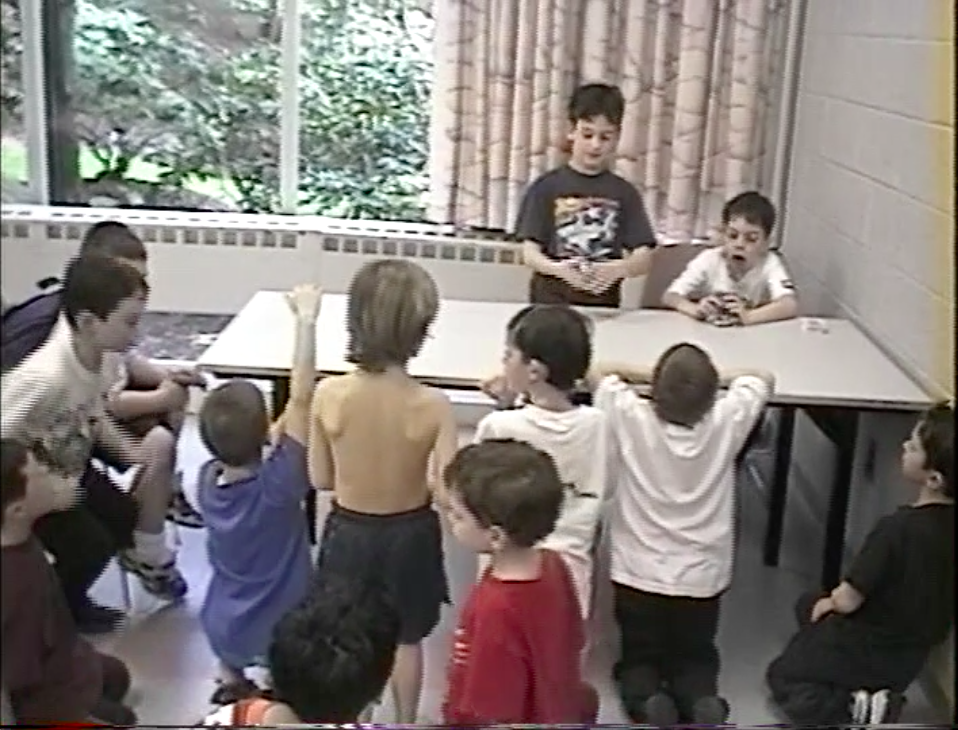 that's me!
Age 8, presenting
Part 1 of 8
It was never about me
At eight years old I stood up and presented a magic show at my brother's birthday party. I don't remember what I said. But I remember the moment the room lit up, and how good it felt to give people that. I've been chasing that moment for other people ever since.
Your team should leave every conversation with you feeling bigger, not smaller. If they don't, that's the first thing we fix.
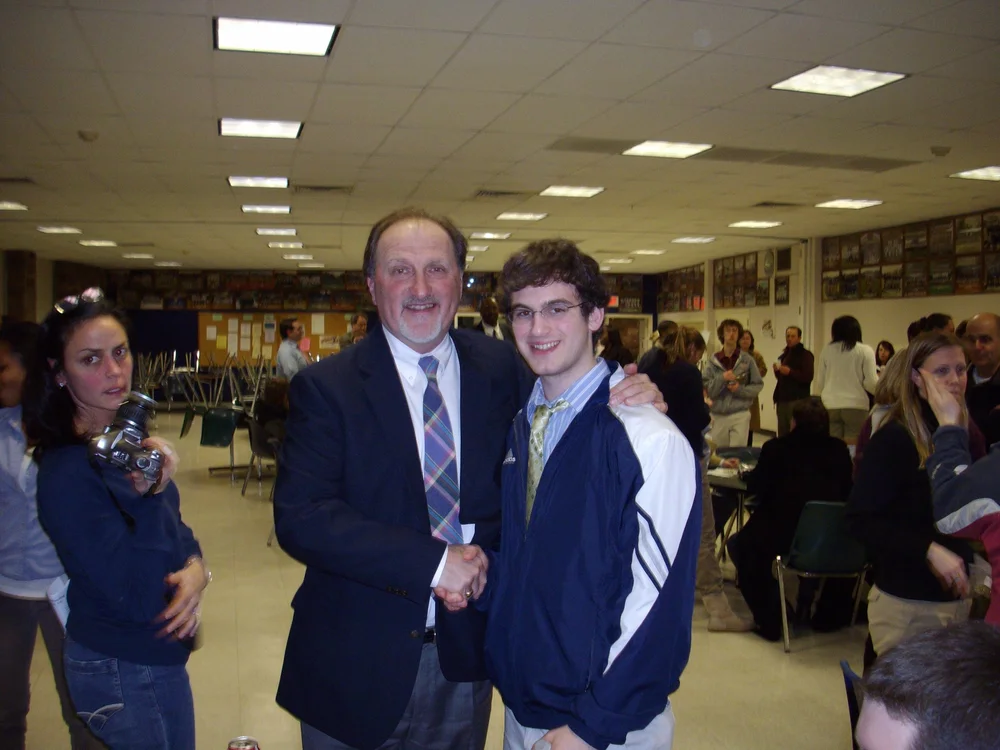
Me and Coach Fleming
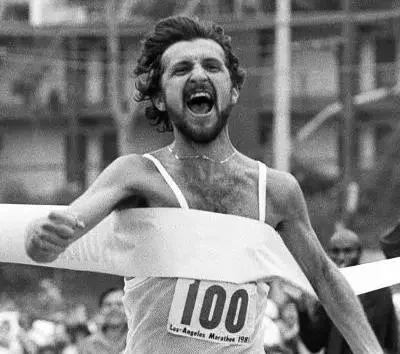
Winning the LA Marathon
Part 2 of 8
My high school track coach won the New York City Marathon. Twice.
Tom Fleming won New York in 1973 and 1975, setting the course record both times. He was a world-class runner, and he was an even better coach. During practice he'd step away, take a call, and coach one of the best runners on the planet for five minutes. Then he'd walk back over and coach a 17-year-old latecomer like me with exactly the same intensity.
What he really loved was developing people into better people, through the art of coaching. He taught me not just hard work, focus, and what winning actually takes, but the ultimate role of a coach.
A good coach believes in you more than you believe in yourself, holds you accountable and pushes you further than you could have imagined on your own. Not "how does that make you feel?"
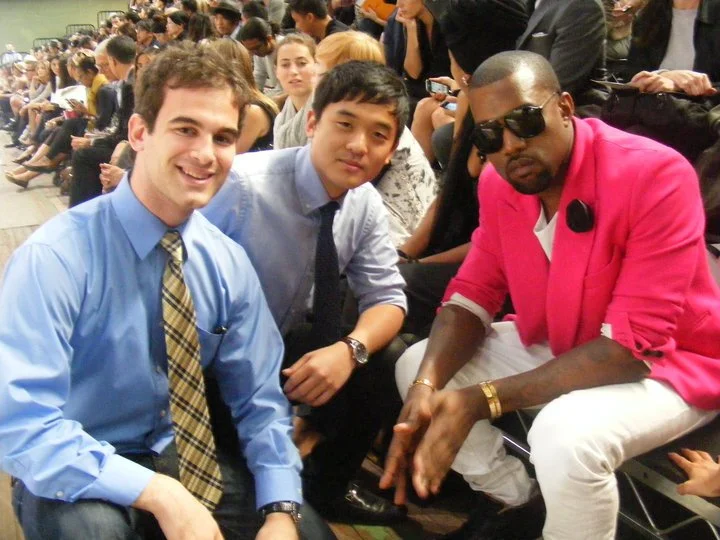
The hip hop years
Part 3 of 8
A fish out of water, backstage
In college I landed an unlikely job: running the stage at hip hop shows. My job was to make sure the show happened, and happened on time. The stars were thought leaders. I didn't agree with many of the values they espoused, but their ideas influenced thousands of people, and I was drawn to that.
I ultimately left the industry, but I left learning two things about myself. I love bringing people together to create an amazing experience. And I love empowering people.
The best CEOs are coordinators, making everything happen on time, beautifully, for their customers.
"The CEO hates me."
"I don't trust our chief legal officer."
"Stop the heebie-jeebie stuff."
My manager
Part 4 of 8
What's really going on?
At IBM I worked on strategy with executives at S&P 500 companies. Then something kept happening. They'd close the door and tell me what was really going on. Something like "The CEO hates me," or a hundred other things. I'd help. They'd come back and say it worked. My manager told me to stop. It kept happening anyway.
I didn't want to only work on strategy. I wanted to work on what was really going on.
Strategy is important and essential. But the hidden team dynamics are what make success possible. That's where I wanted to live.
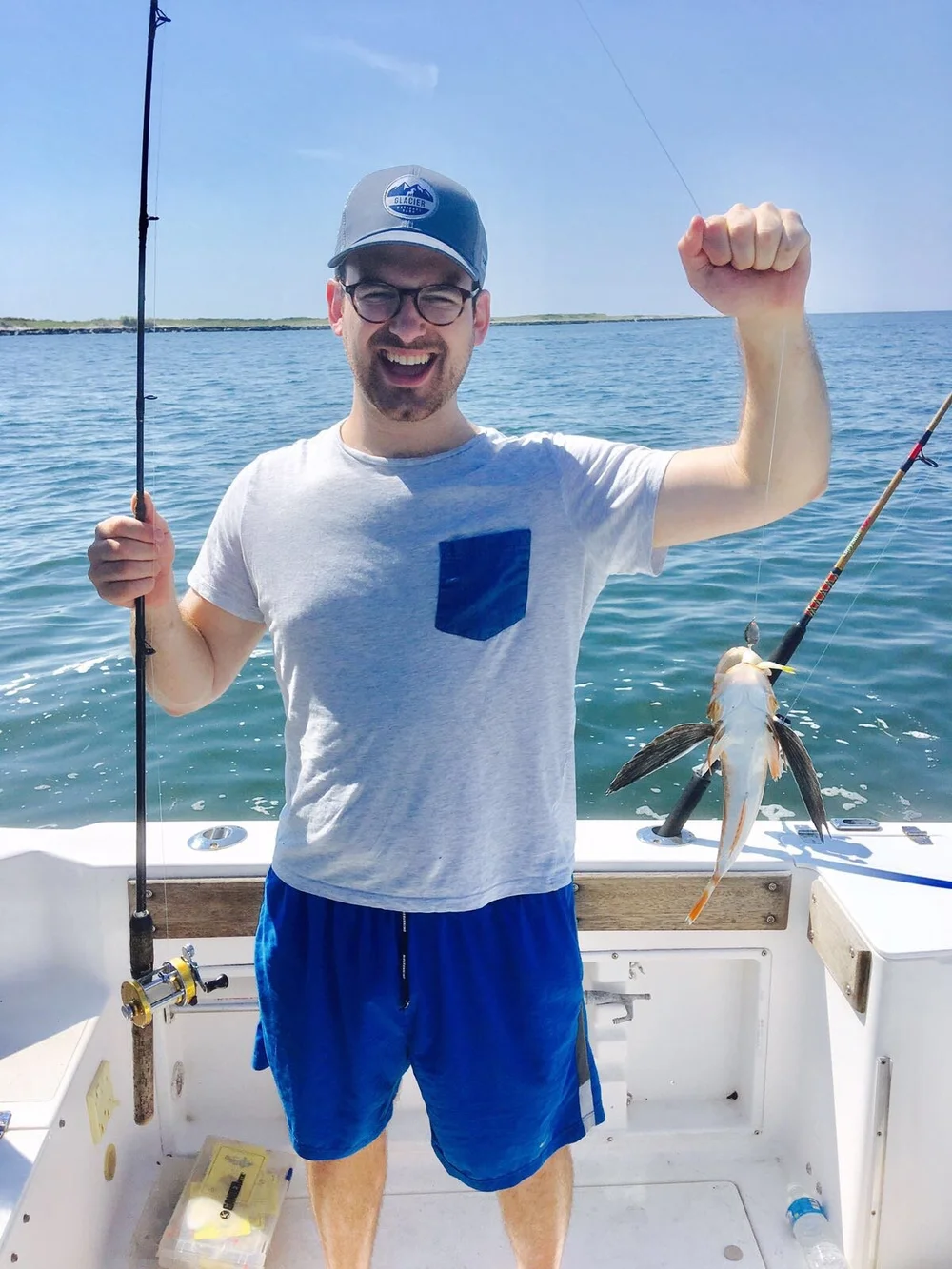 fishbird?
Imagine that.
Part 5 of 8
"Imagine That"
Then I joined Fishbird, where the tagline was two words: Imagine That. We weren't corporate consultants. We worked with executive teams at Fortune 500 companies to get inside how a leader thinks and challenge them to see possibilities they had never imagined, then go get results nobody expected. And we did just that!
If next year's plan looks like this year plus 10%, you're playing too small.
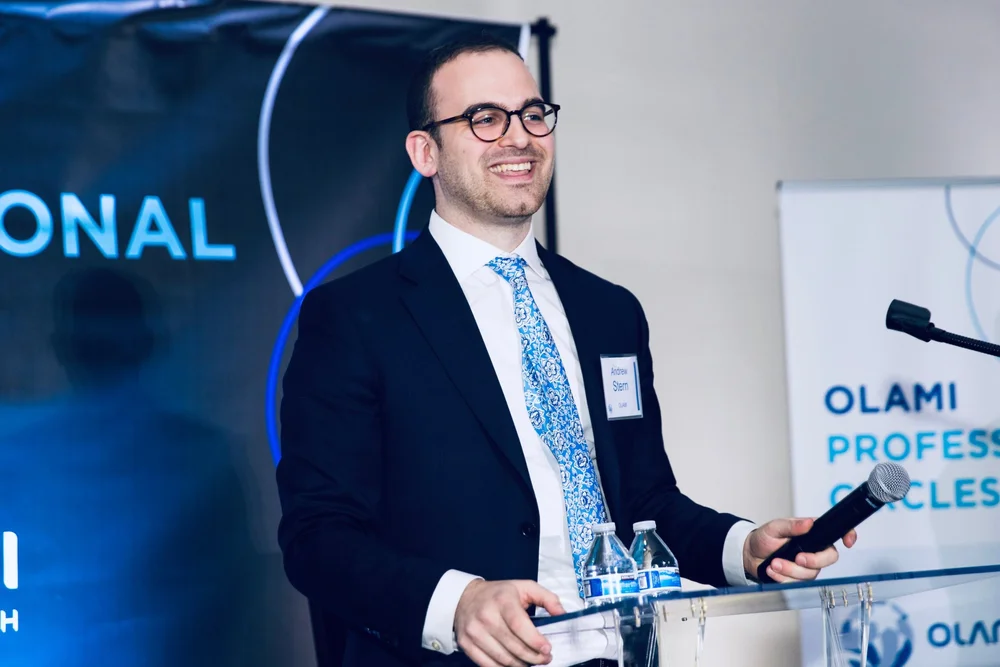
Olami Circles, NYC
Part 6 of 8
I put billionaires in a room with builders
I founded and built Olami Circles: a program and methodology that helps ambitious professionals reach their potential through 1:1 coaching, executive mentorship and keynotes from some of the most successful business leaders in the world, billionaires included. It grew into chapters in seven cities, and it is still running today.
Effective advisors matter.
What I took with me:
Tom: hard work pays off.
Backstage: empower people.
IBM: talk about what's really going on.
Fishbird: think bigger.
Olami: effective advisors matter.
Part 7 of 8
So I built a practice around what actually works
When COVID hit, founders kept calling me for help with the hardest parts of leading: the hires, the fear, the decisions nobody else could make. They asked me to make it official, so I did. Since then I've worked with 150+ founders, CEOs and executives, and the approach comes down to four ideas.
From my notebook
I founded this leadership practice on 4 non-negotiable principles
01
You are more powerful than you think
Most leaders underestimate the impact they can make. Most of my work starts right there.
02
Character is a set of learned patterns
How you handle value, fear, honor, anger and desire shows up in how you hire, run reviews, coach people up, share a vision, build systems and set the culture. Patterns can be relearned.
03
Do your hardest work. Then stop.
Give it everything you have. Do the best you can. Then let go, because a lot of outcomes are not up to you. That's how you go hard for decades, not quarters.
04
Don't carry one hammer
Be trained in many methods, and pick the one that fits. Forcing one framework on every leader isn't coaching. It's convenience.
Don't take my word for it. Read what 22+ founders and investors say →
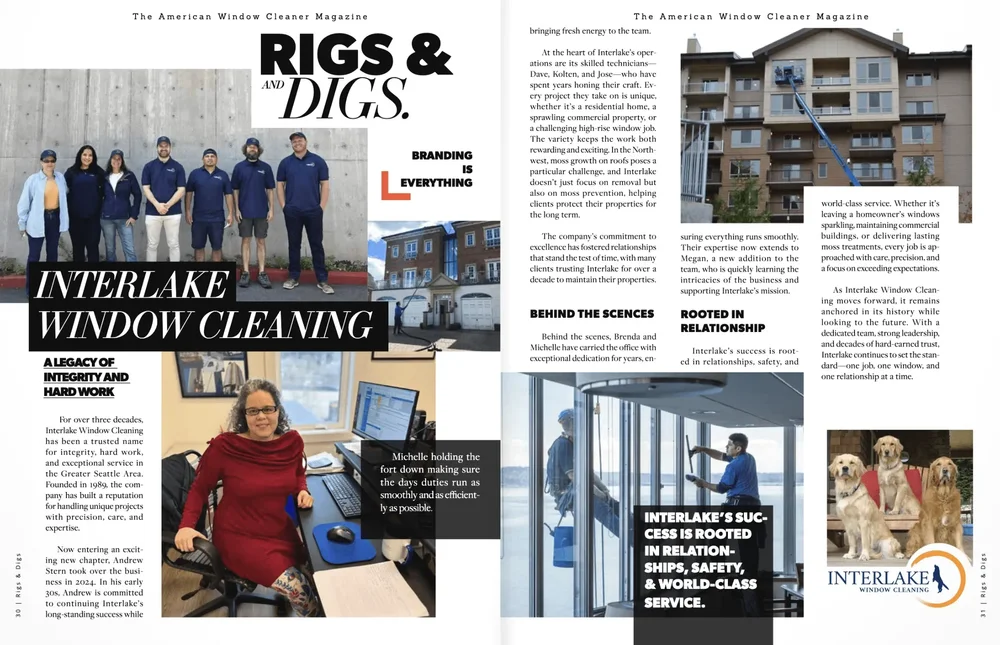
Our company, featured
Part 8 of 8
I don't just coach owners. I am one.
I acquired Interlake Window Cleaning, a Seattle-area company founded in 1989. Running my own team, owning the numbers and being responsible for people's livelihoods made me a better coach.
When you tell me about a hard hire, a cash crunch or a leader who isn't stepping up, I'm not guessing. I'm living it too.
You, next?
I am looking for ambitious leaders building something serious.
Leaders who want to grow and move faster, and who are ready to bet on themselves. My job is to help unlock their potential.
One last thing.
Most leaders walk around with a mistaken belief.
"I'm not the kind of person who can make a massive impact."
It's not true. You can.
You just need to stop playing small.
Your turn. Book a 15-minute intro →